How Global Companies Are Preparing for the Next Economic Shift in 2026
Published October 02, 2026 • 4 Min Read

The global economy is changing faster than ever. Rising costs, new technologies, changing customer needs, and uncertainty in international markets are forcing businesses to rethink their strategies. Companies can no longer depend on traditional methods to achieve long-term success.
As the world moves through 2026, global companies are preparing for the next economic shift by investing in technology, improving financial planning, and building stronger business models. Their focus is not just on surviving economic challenges but also on finding new opportunities for growth.
1. Investing in Artificial Intelligence and Automation
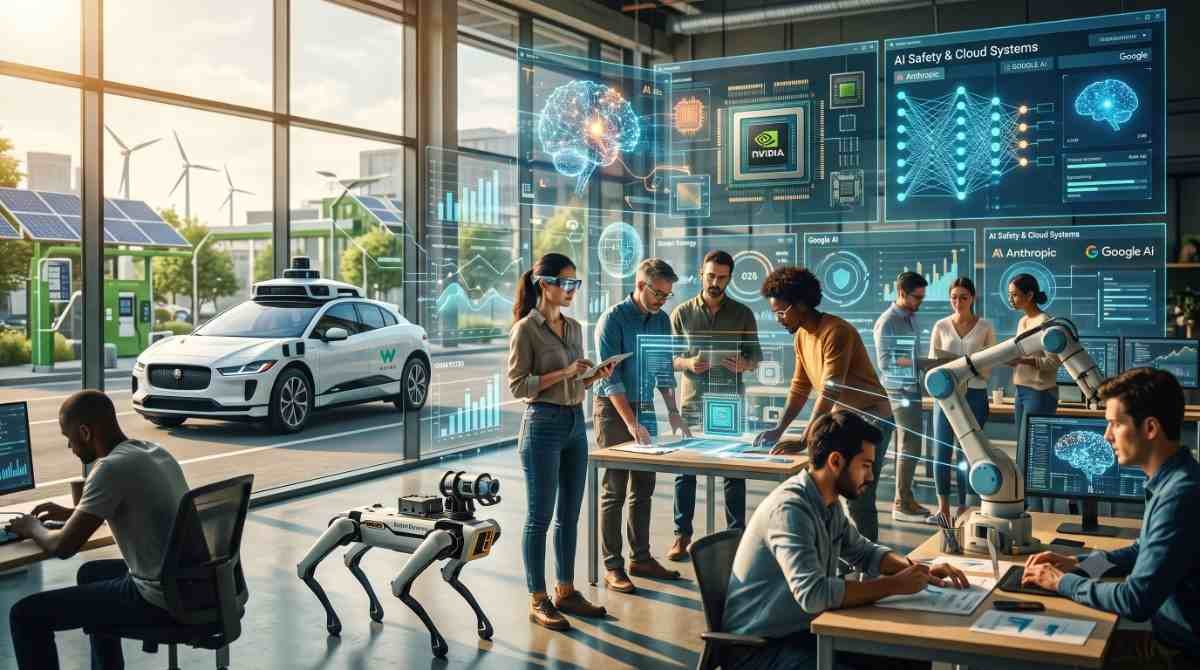
Artificial intelligence (AI) is becoming an important part of business operations. Companies are using AI to reduce costs, improve productivity, and make better decisions.
From customer service chatbots to automated manufacturing, businesses are finding new ways to work faster and more efficiently. AI also helps companies understand customer behavior, predict market trends, and identify potential risks.
By investing in automation, global companies are preparing themselves to remain competitive even during uncertain economic conditions.
2. Building Stronger Supply Chains
Recent global disruptions have shown businesses the importance of having reliable supply chains. Depending on a single country or supplier can create serious problems when unexpected events occur.
To avoid such risks, companies are expanding their supplier networks and exploring new manufacturing locations.
Many businesses are also investing in digital tools that help them track shipments, manage inventory, and respond quickly to supply chain problems. These changes can help companies maintain operations during future economic disruptions.
3. Focusing on Financial Stability
Financial planning has become a major priority for global businesses. Companies are carefully managing their expenses, reducing unnecessary spending, and maintaining sufficient cash reserves.
Instead of investing heavily in every new opportunity, businesses are focusing on projects that offer sustainable returns.
Strong financial management allows companies to handle economic uncertainty without making sudden decisions that could affect their employees, customers, or long-term growth.
4. Exploring New International Markets
Global companies are looking beyond their traditional markets to discover new business opportunities.
Emerging economies, including India and several Southeast Asian countries, are attracting attention because of their growing consumer markets and expanding digital infrastructure.
Businesses are entering new regions through partnerships, local investments, and digital platforms. Expanding into different markets can also reduce their dependence on any single economy.
However, companies must carefully understand local regulations, customer preferences, and market conditions before expanding.
5. Developing a Future-Ready Workforce
Technology alone cannot prepare businesses for the future. Employees also need the right skills to manage changing business environments.
Global companies are investing in employee training, digital education, and leadership development. Skills such as AI literacy, data analysis, creative thinking, and problem-solving are becoming increasingly valuable.
Businesses are also encouraging flexible working environments and continuous learning. A skilled workforce helps companies adapt quickly when economic conditions change.
6. Making Sustainability a Business Priority
Sustainability is becoming an important part of long-term business planning. Companies are exploring renewable energy, reducing waste, and improving resource efficiency.
These efforts can help businesses manage energy costs, meet environmental regulations, and respond to changing customer expectations.
Many global organizations are also including environmental risks in their investment and operational decisions.
7. Preparing for Multiple Economic Scenarios
The next economic shift is difficult to predict. Interest rates, international trade policies, geopolitical tensions, and technological developments can all influence business performance.
Instead of depending on a single forecast, companies are developing different plans for possible economic situations.
This approach allows businesses to respond more effectively to unexpected challenges while continuing to pursue growth opportunities.
Conclusion
The next economic shift will bring both challenges and opportunities for global businesses. Companies that invest in technology, strengthen supply chains, manage finances carefully, and develop skilled employees will have more tools to adapt to changing conditions.
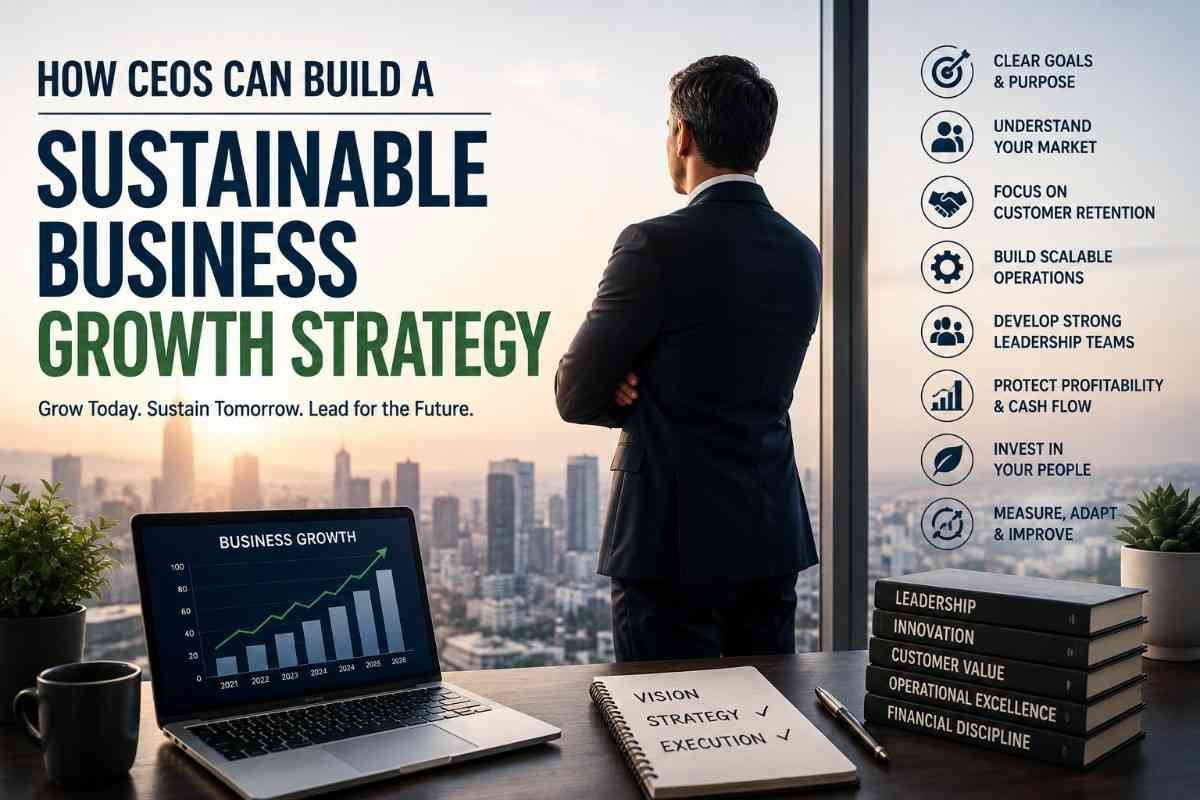
In an uncertain global economy, flexibility, innovation, and long-term planning are becoming essential parts of building a sustainable business.